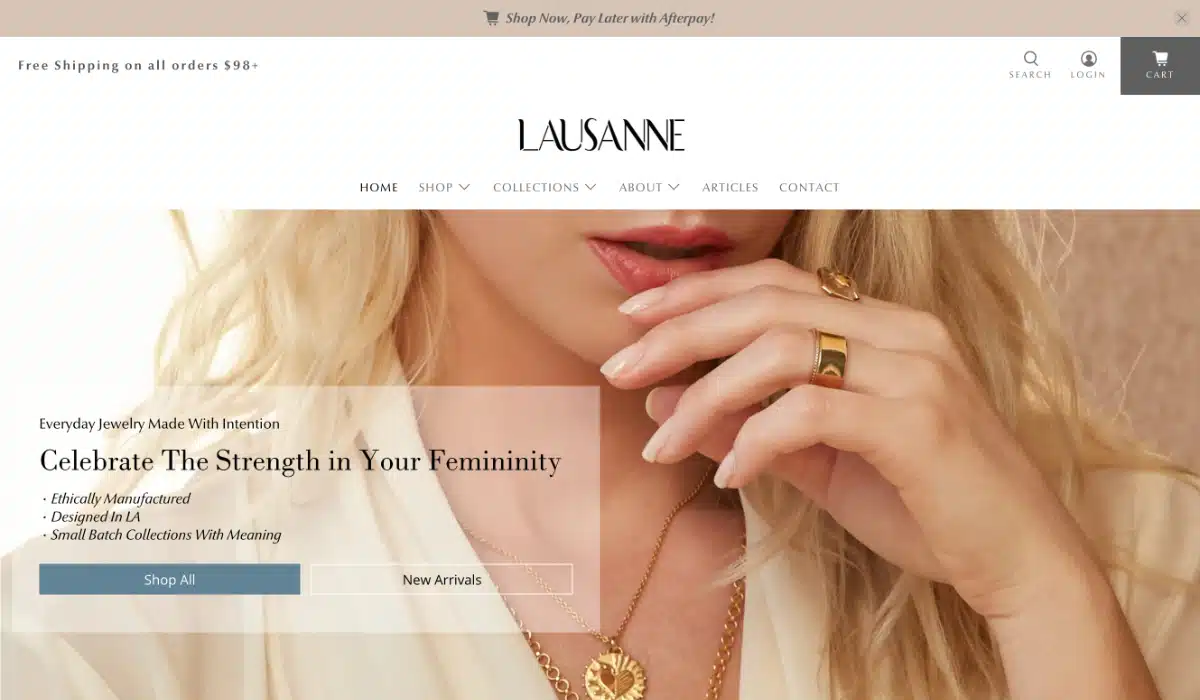
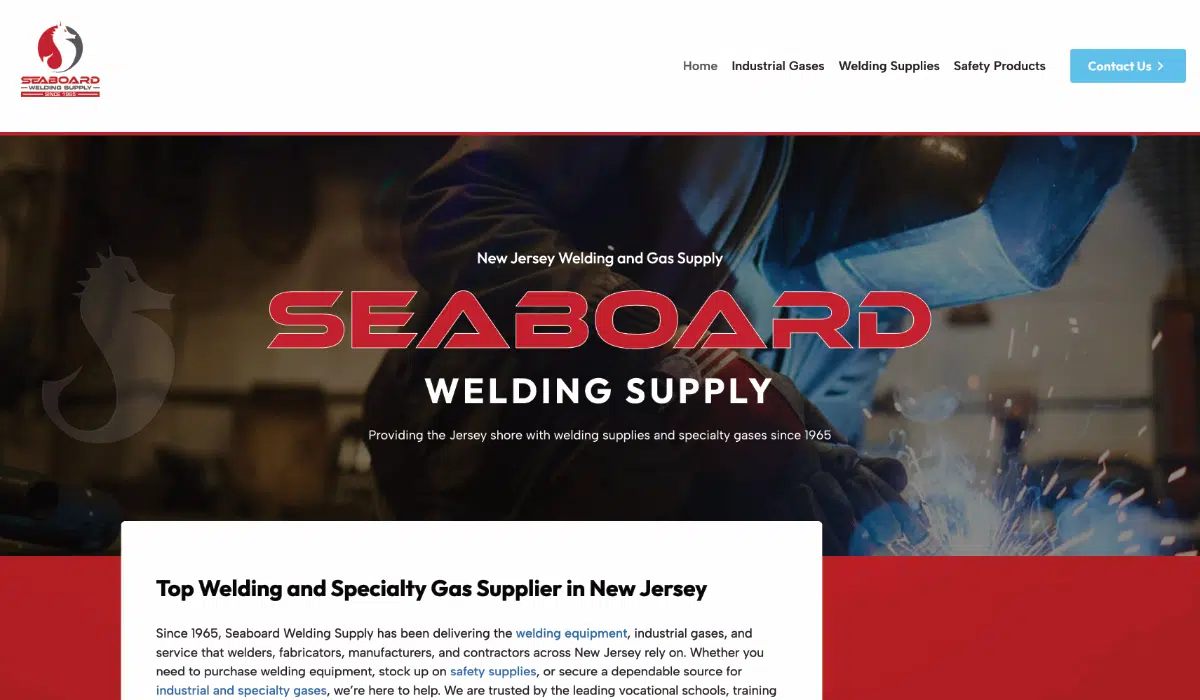
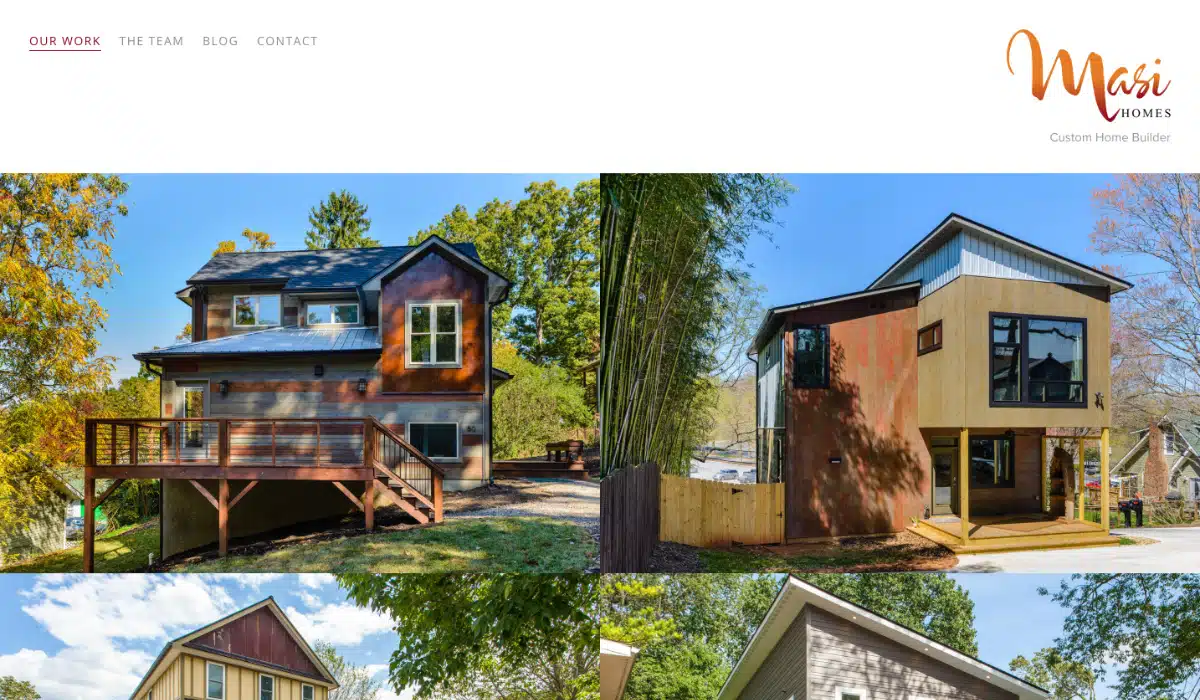
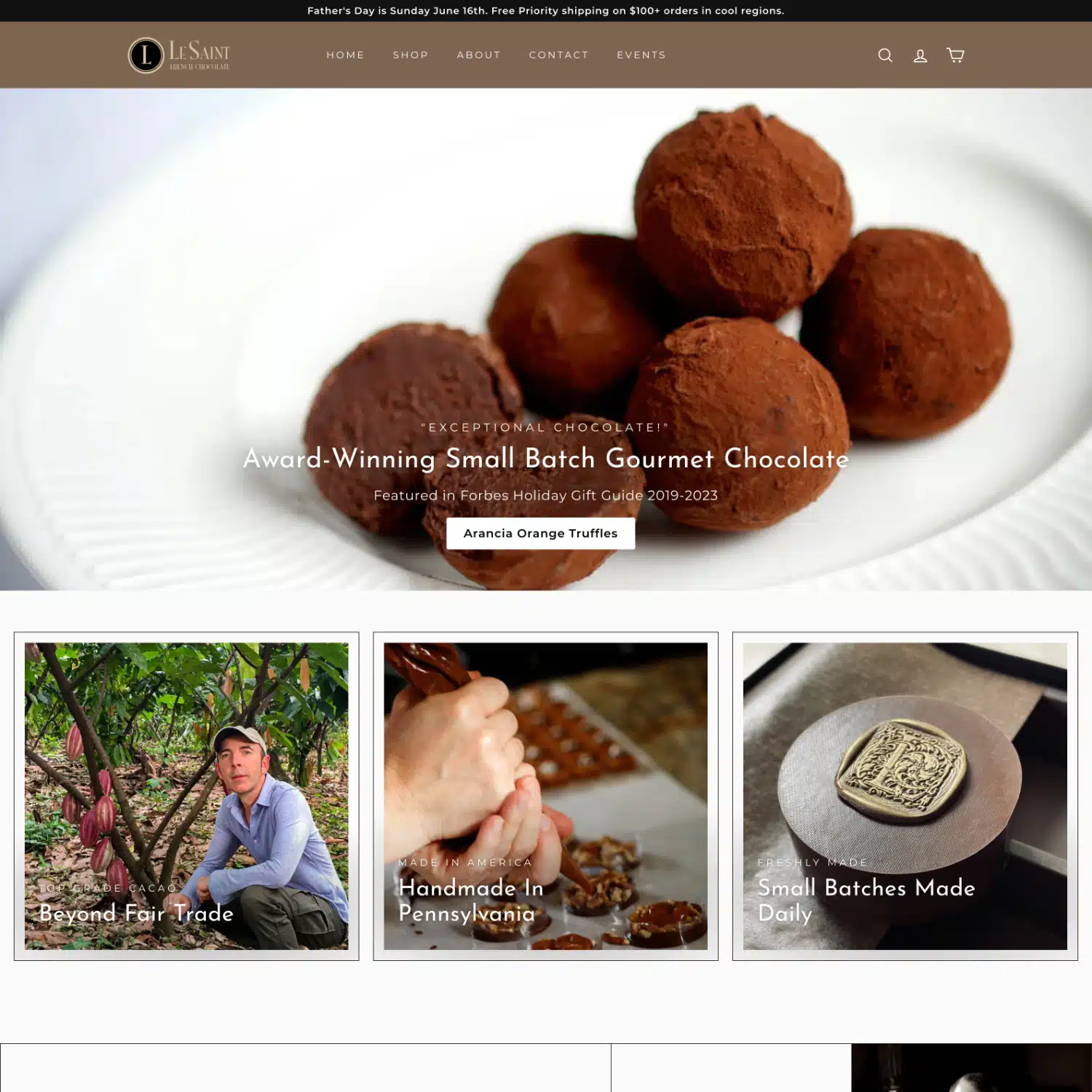
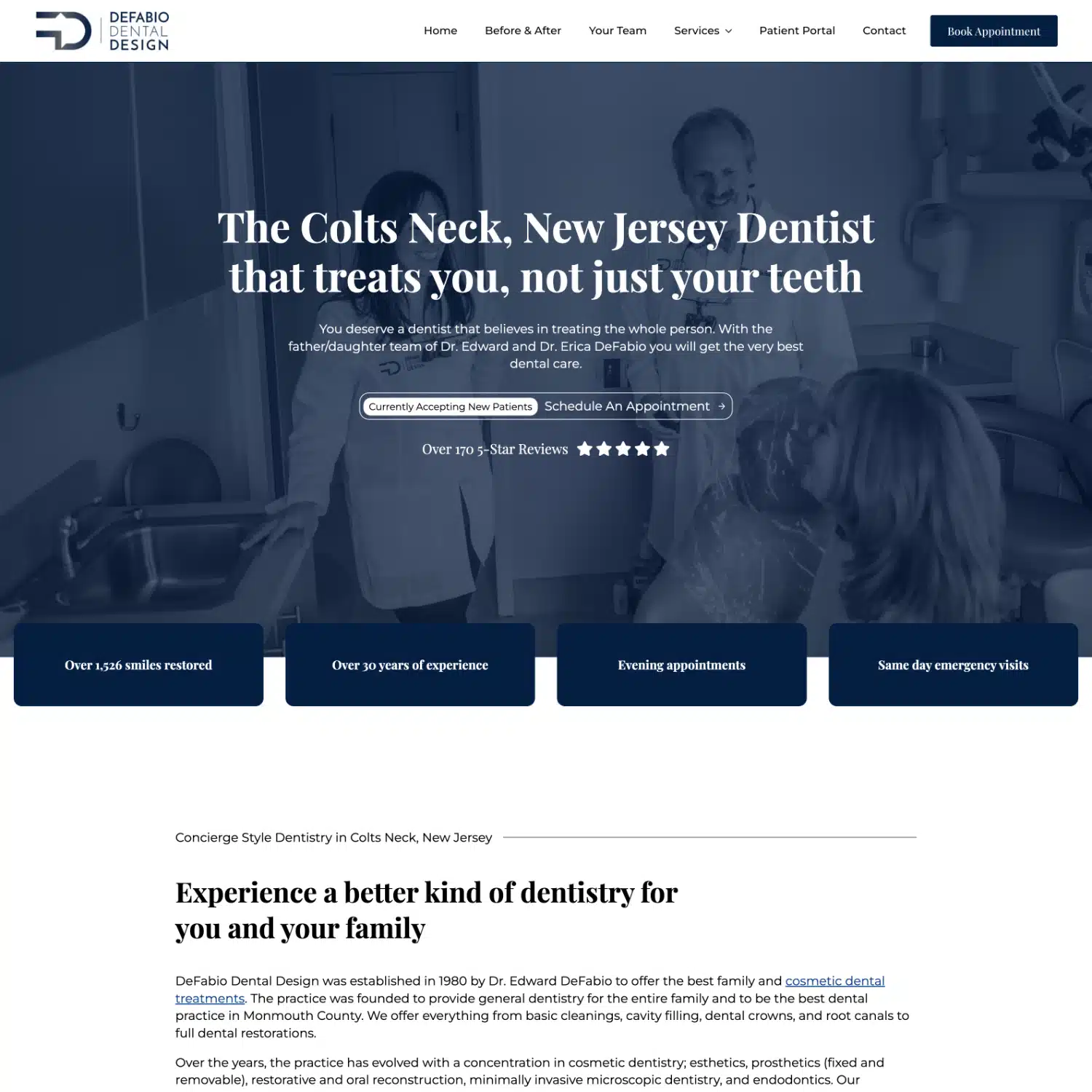
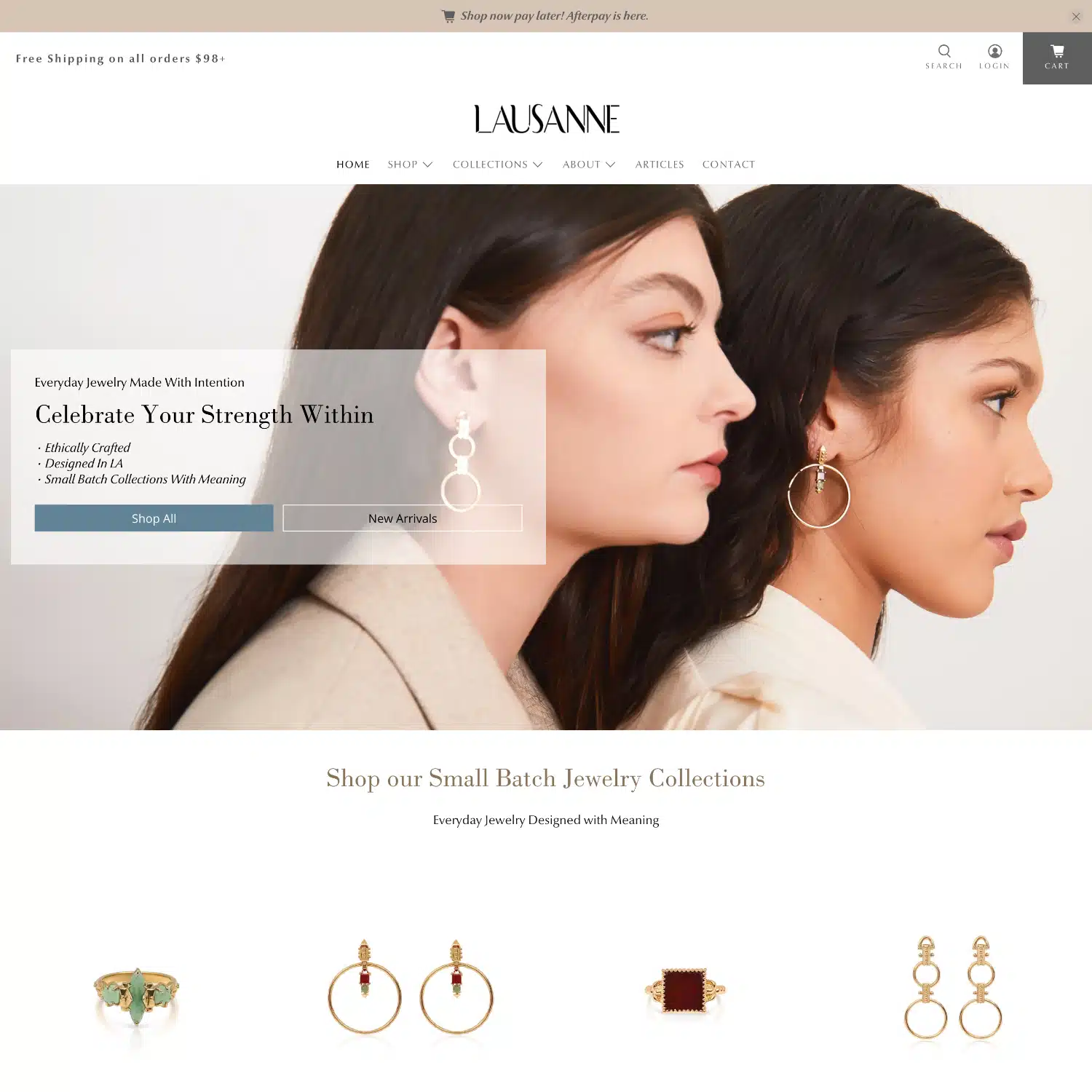
We specialize in developing websites for small businesses, enterprise businesses, e-commerce brands, and B2B businesses across industries. No matter your industry, a website designed by Radiant Elephant will make you more money.


"Gabe was incredible! His finished product was amazing, my website is better than I could have imagined!"

"Hiring Radiant Elephant to upgrade our website was the best investment we've made. Conversions up 66% at Christmas! BOOM!"

"There are no words to describe what a WONDERFUL Experience it has been working with Gabriel from Radiant Elephant!"

Modern UX Design: No one is impressed with an old, outdated website. A great website is modern and implements user-friendly designs, micro-animations, powerful CTA's, intuitive site navigation, and color usage.
SEO Optimized: Good design lends itself to good SEO and vice versa. We build sites to rank. We implement optimized URL structures, clear layouts, proper header hierarchy, internal linking, structured data, and technical SEO.
Fast Loading: A slow-loading website can lead to a high bounce rate and a poor user experience. The websites we design load fast. Every site featured clean code, image optimization, caching, and more.
Mobile-First Design: A website must be responsive and look great on all breakpoints. The percentage of visitors who visit on their phones or tablets keeps increasing. We design mobile-first to ensure your visitors get the best digital experience on every device.
Accessibility and WCAG Compliance: We implement ADA accessibility and WCAG compliance into every site we design to make sure that every visitor experiences all your website has to offer.
Ready to turn your website into a revenue driver? Let's discuss your specific goals and build a strategy that delivers results.

Every successful website starts with strategy, not aesthetics. Before we touch design tools, we dig into your business goals, audience behavior, and competitive landscape. What actions do you need visitors to take? Who are they, and what motivates them? What makes your offering different? These answers shape everything. From site architecture to call-to-action placement.
Our strategic approach combines conversion psychology with technical SEO foundations. We map user journeys that guide visitors naturally toward conversion while ensuring search engines can properly crawl, index, and rank your content. This isn't about making sites that just look good; it's about building digital assets that generate measurable business results.
With 13+ years of experience across industries, we've learned that the best web design strategy balances three forces: user needs, business objectives, and technical performance. Miss any one of these, and your website underperforms. Get all three right, and you've built a growth engine that compounds returns over time.

We've refined our web design process over hundreds of client projects to eliminate the chaos that typically derails website launches. You'll work directly with me throughout. No project handoffs to junior staff or disappearing into a black box for weeks. This owner-led approach is why we maintain a 98.5% client retention rate.
The process starts with a strategy session where we document your goals, define success metrics, and establish your brand positioning.
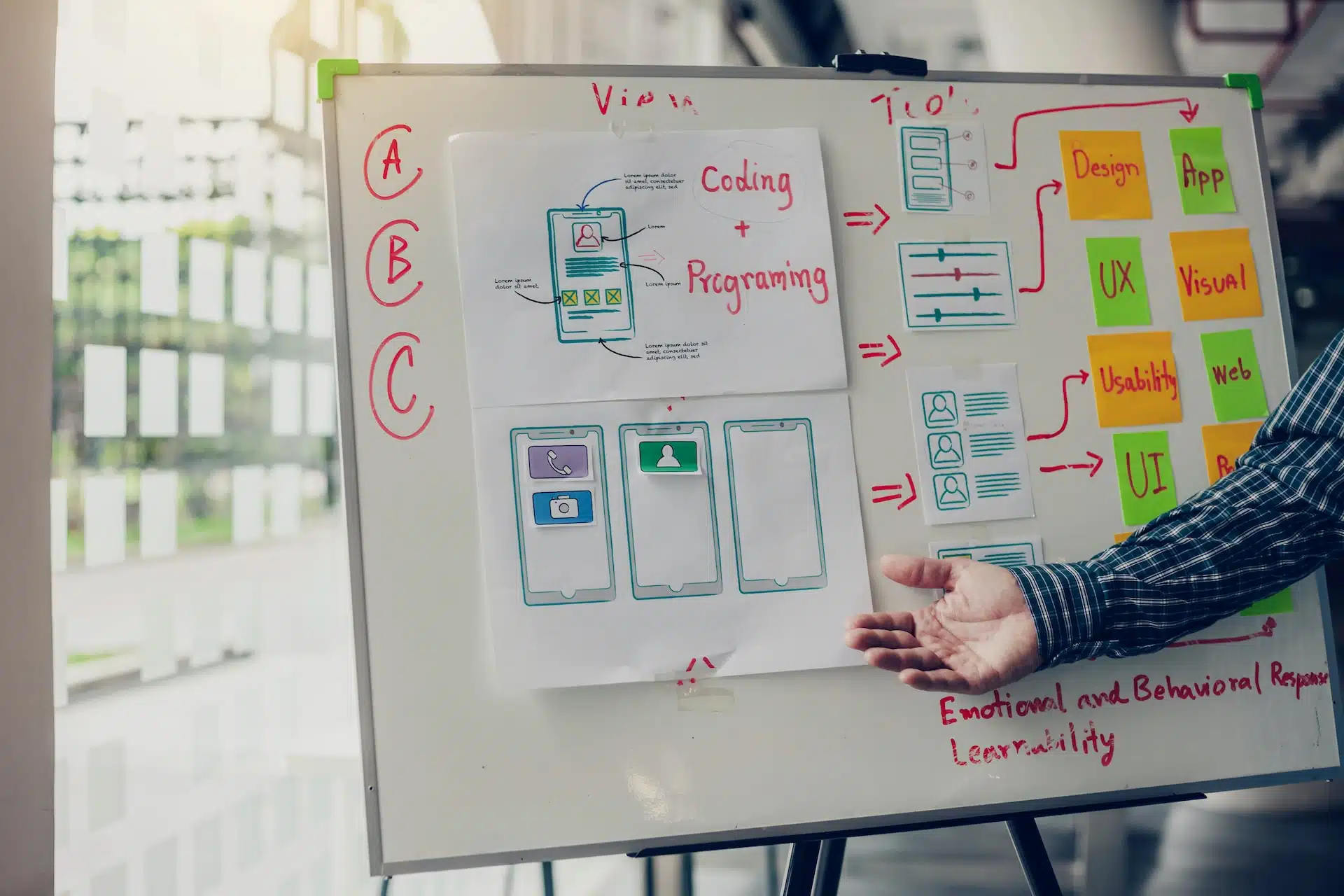
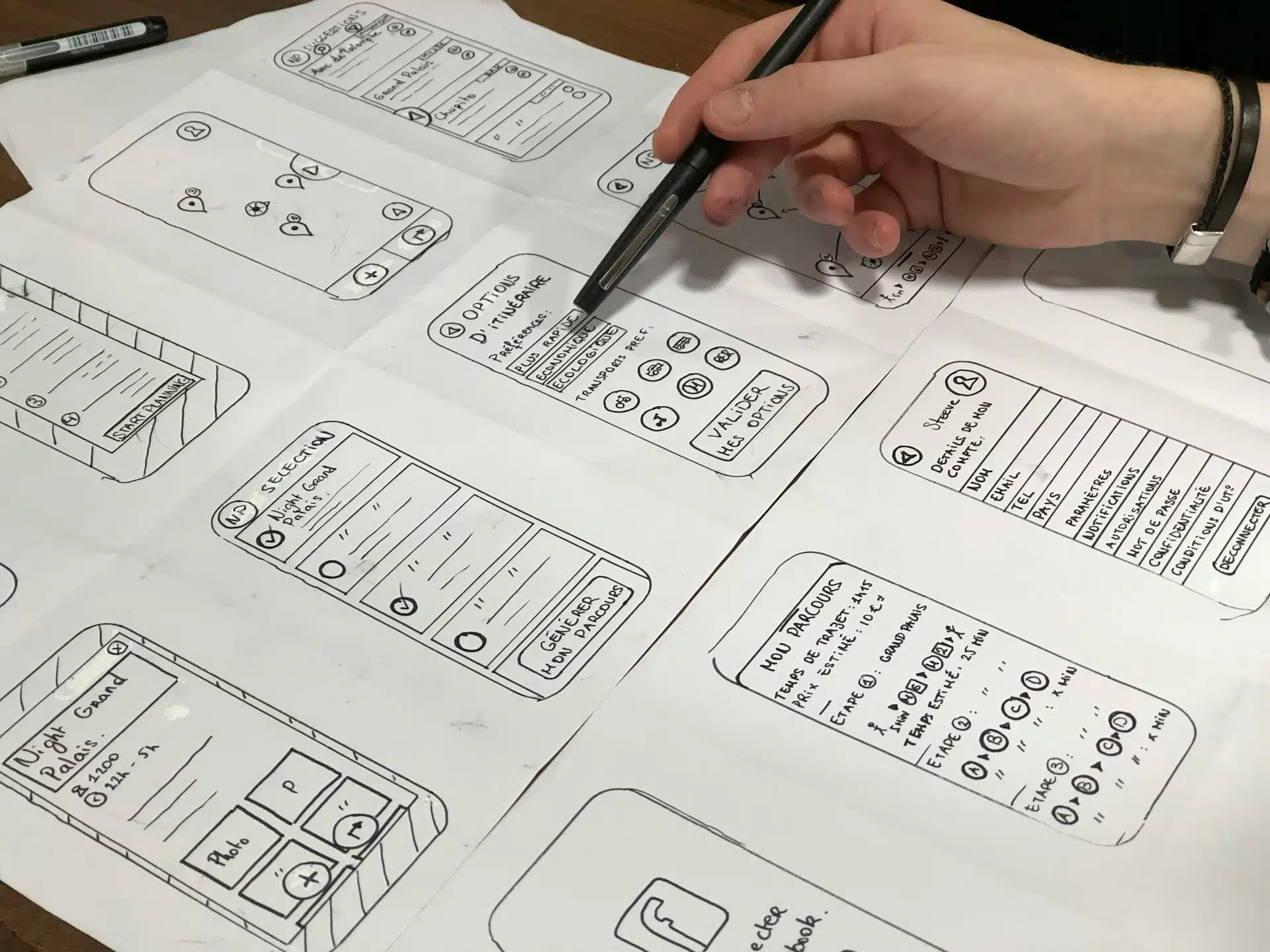
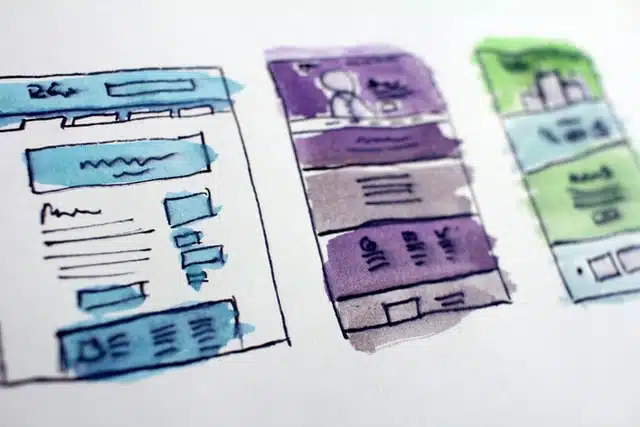
From there, we move into wireframing and content architecture before any visual design begins. This ensures the structure supports your objectives before we invest time in aesthetics. You'll have opportunities to review and refine at each phase.
Development happens in a staging environment where you can see real-time progress and provide feedback. We build on modern frameworks optimized for speed, security, and search visibility. Before launch, we conduct thorough testing across devices and browsers, implement analytics and conversion tracking, and ensure everything is performing at peak technical standards.
Post-launch isn't goodbye—we provide training on managing your content, monitor initial performance data, and remain available for optimization adjustments. Most clients continue working with us long-term because website success isn't a launch event; it's an ongoing process of testing, learning, and improving.

Mobile traffic now dominates web usage. Over 60% of searches happen on smartphones, and Google indexes the mobile version of your site first. Yet most businesses still design for desktop and treat mobile as an afterthought. Mobile-first design flips this paradigm: we design for the smallest screen first, then progressively enhance for larger displays.
This methodology forces ruthless prioritization. On a mobile screen, every pixel counts. What's truly essential? This constraint breeds clarity, stripping away unnecessary clutter. The result is faster, cleaner experiences across all devices, not just mobile.
Mobile-first also aligns with technical realities. Smartphones have slower processors, inconsistent network connections, and touch-based interaction patterns. We optimize touch targets for thumbs, minimize data loads for spotty connections, and simplify navigation for small screens. These optimizations make desktop experiences faster and cleaner too. Google's algorithms explicitly reward mobile-optimized sites. Since we build mobile-first from the ground up, your site satisfies search engines' technical requirements while delivering the seamless cross-device experience users demand.

User experience design is the invisible framework that determines whether visitors accomplish their goals or leave in frustration. It's not about aesthetics. It's about psychology, usability, and removing friction from every interaction. Can users find what they need in three clicks or less? Does the navigation make intuitive sense? These questions drive UX decisions that directly impact your bottom line.
Great UX anticipates user needs before they become conscious thoughts. We study how people scan pages, where they expect to find information, and what interaction patterns feel natural. This research informs everything from button placement to content hierarchy to error message clarity. When UX is done right, it's invisible. Users flow through your site effortlessly.
Poor UX kills conversions faster than any other factor. Confusing navigation loses visitors immediately. Slow load times trigger abandonment. Cluttered layouts overwhelm decision-making. We obsess over these friction points, testing and refining until interactions feel effortless. We approach UX through continuous iteration and real user data. Analytics reveal where people struggle. Heat maps show what they ignore. This evidence-based approach means we're solving actual problems your specific users face, building on behavioral data rather than guesswork.

Accessible web design isn't optional; it's a legal requirement under the Americans with Disabilities Act and an ethical imperative. Websites must be usable by people with visual, auditory, motor, or cognitive disabilities. Beyond compliance, accessibility expands your addressable market and improves usability for everyone. Features like clear navigation, sufficient color contrast, and keyboard accessibility benefit all users, not just those with disabilities.
We build accessibility into every project from the ground up, following WCAG 2.1 Level AA standards. This means proper semantic HTML structure, alt text for images, keyboard navigation support, screen reader compatibility, and color contrast ratios that meet legal requirements. Retrofitting accessibility after launch is exponentially more expensive than building it correctly the first time.
The legal landscape has intensified, and thousands of ADA website lawsuits are filed annually, with settlements often exceeding $50,000 plus attorney fees. Healthcare, finance, retail, and hospitality industries face the highest risk, but no business is immune. We provide accessibility audits for existing sites and ensure all new builds meet or exceed compliance standards, protecting you from legal exposure while serving your entire potential audience.

Site architecture is the foundation that determines how users and search engines navigate your content. Poor architecture creates dead ends, buried pages, and frustrated visitors who can't find what they need. Strategic architecture guides users intuitively through your site while distributing SEO authority to your most valuable pages. It's invisible when done right, catastrophic when done wrong.
We approach architecture through information hierarchy and user intent mapping. What are visitors trying to accomplish? What's the logical progression from awareness to conversion? How should content be categorized and connected? These questions shape structures where every page is reachable within three clicks, related content links naturally, and conversion paths feel effortless.
Search engines reward clean architecture. Proper URL structures, logical category hierarchies, and strategic internal linking help crawlers understand your site's content relationships and topical authority. We implement breadcrumb navigation, XML sitemaps, and schema markup that make your site structure explicit to search algorithms. Flat architectures work for small sites, but complex businesses need sophisticated category systems and hub-and-spoke linking patterns that channel authority strategically.
The best architecture balances user needs with business goals and technical constraints. We create structures that scale as you grow, accommodate future content without restructuring, and ensure your most important pages receive maximum visibility. Strategic architecture isn't just organizing pages. It's engineering the pathways that determine whether your website generates business or just occupies server space.

Beautiful design that doesn't convert is just expensive art. Every element we place serves a strategic purpose: guiding visitors toward specific actions that grow your business. This means understanding cognitive psychology, attention patterns, and motivation triggers. Where does the eye naturally travel? What builds trust? These questions drive our design decisions.
Our conversion-focused approach combines behavioral science with relentless testing. We structure pages using proven frameworks: attention-grabbing headlines, clear value propositions, strategic social proof placement, and compelling calls-to-action. But we don't stop at best practices. We analyze your specific audience data and user behavior to identify optimization opportunities unique to your business.
Small improvements compound dramatically. A 1% conversion rate increase on a site generating 10,000 monthly visitors means 100 additional conversions monthly, 1,200 annually. This is why we emphasize measurable outcomes over subjective aesthetics. We build testing frameworks into every site, enabling continuous optimization long after launch. Your website isn't finished when it goes live. It's just beginning its evolution toward peak performance.

Most designers hand you a beautiful website that search engines can barely see. We build from a different philosophy: design and SEO aren't separate disciplines. Site architecture, URL structure, internal linking, page speed, mobile responsiveness, and schema markup all impact search visibility. These technical foundations must be engineered correctly from day one, not patched later.
Our three-generation digital marketing heritage means SEO thinking is embedded in every design decision. We structure content using semantic HTML that search engines understand. We optimize Core Web Vitals. We implement proper heading hierarchies, create crawlable navigation, and build internal linking architectures that distribute authority strategically throughout your site.
This integrated approach delivers compounding advantages. Your beautifully designed site actually gets found. Your content ranks for valuable keywords. Your pages load fast enough to satisfy both users and search algorithms. After 13+ years optimizing hundreds of websites, we've proven that exceptional design and dominant search visibility aren't mutually exclusive. They're complementary when executed by people who understand both disciplines at a deep technical level.


We still have our very first client from when we opened shop over 13 years ago. 90% of our clients have worked with us for four years or more, surpassing industry averages for client retention among marketing agencies.
Responsive design ensures your website adapts seamlessly across desktops, tablets, and smartphones. But true cross-device optimization goes beyond flexible layouts. Each device has unique interaction patterns, screen sizes, and use contexts that require tailored experiences. Desktop users expect hover states and precise cursor control. Tablet users combine touch and typing. Smartphone users navigate with thumbs and expect instant load times on cellular connections.
We implement fluid grids, flexible images, and CSS media queries that adjust layouts based on viewport dimensions. But responsive design isn't just technical execution. It's a strategic prioritization of content and functionality for each device context. Critical actions must be thumb-accessible on mobile. Complex data tables need alternative presentations for small screens. Navigation systems adapt from horizontal menus to hamburger icons without sacrificing usability.
Testing across actual devices reveals issues emulators miss. Touch target sizes, font legibility, form input behavior, and performance all vary by device and browser. We test on real iPhones, Android devices, iPads, and various desktop browsers to ensure consistent experiences. Your site should work flawlessly whether visitors arrive on a 27-inch monitor or a 5-inch smartphone screen.
Page speed directly impacts conversions, search rankings, and user satisfaction. Google's Core Web Vitals measure three critical performance metrics: Largest Contentful Paint (loading speed), First Input Delay (interactivity), and Cumulative Layout Shift (visual stability). Sites that fail these metrics get deprioritized in search results and lose impatient visitors before content loads.
We optimize performance at multiple levels. Image compression and next-gen formats like WebP reduce file sizes without quality loss. CSS and JavaScript minification eliminates unnecessary code. Lazy loading defers off-screen content until needed. Browser caching stores static assets locally. Content delivery networks distribute files from servers closest to each visitor. Server response times are optimized through quality hosting and database efficiency.
Every 100 milliseconds of delay costs conversions. Amazon found 1 second of latency costs 1% of sales. Google discovered 500ms slower results decreased traffic by 20%. We build sites that load in under 3 seconds on mobile connections, meeting the performance standards that satisfy both users and search algorithms. Fast sites don't just rank better. They convert better, engage better, and generate better business outcomes across every metric that matters.
E-commerce design requires balancing aesthetics with functionality, trust-building, and conversion psychology. Product pages must showcase items beautifully while providing the technical details buyers need to commit. High-quality images with zoom functionality, multiple angles, and contextual lifestyle shots address visual shoppers. Detailed specifications, sizing charts, and material information satisfy analytical buyers. Customer reviews and ratings provide social proof that reduces purchase anxiety.
The checkout process is where most sales die. Every unnecessary form field, confusing step, or technical glitch triggers abandonment. We design streamlined checkout flows with guest purchase options, multiple payment methods including digital wallets, clear shipping costs upfront, and security badges that build confidence. Progress indicators show customers exactly where they are in the process. Error messages are helpful rather than punishing.
Beyond individual page design, e-commerce sites need robust architecture for product categorization, filtering, search functionality, and inventory management. We integrate with major e-commerce platforms like WooCommerce, Shopify, and custom solutions. Shopping cart persistence, abandoned cart recovery, upsell and cross-sell opportunities, and mobile payment optimization all contribute to revenue per visitor. E-commerce design isn't just about making products look good. It's engineering the entire purchase journey to maximize completed transactions.
Website redesigns address different challenges than new builds. You're not starting from scratch. You have existing content, established search rankings, inbound links, and visitor expectations to preserve while fixing what's broken. Poor navigation, outdated aesthetics, slow performance, mobile usability issues, or declining conversions signal redesign necessity. But careless execution destroys SEO equity built over years.
Our redesign process starts with comprehensive audits. What's working that must be preserved? What's failing that needs fixing? Which pages drive traffic and conversions? Where are visitors dropping off? We analyze current analytics, conduct technical SEO audits, review user behavior data, and identify content worth keeping versus retiring. This diagnostic phase prevents redesigns that look better but perform worse.
Migration strategy is critical. We implement 301 redirects for changed URLs, preserve meta data and content that ranks, maintain internal linking structures, and ensure search engines can recrawl efficiently. Content gets refreshed and reorganized, not discarded thoughtlessly. We redesign in staging environments, thoroughly test before launch, and monitor closely post-launch for ranking fluctuations or traffic drops. Done right, redesigns improve aesthetics, usability, and performance without sacrificing the SEO authority you've already built. Done wrong, they tank your organic traffic overnight.
Template-based designs use pre-built themes modified for your brand. Custom designs are built from scratch for your specific needs. Templates are faster and cheaper initially but limit flexibility and differentiation. Custom development costs more upfront but delivers exactly what your business requires without compromise or technical debt.
Templates work for straightforward websites with common functionality, tight budgets, and standard industry patterns. If your needs fit template capabilities and you're comfortable with limitations, they're viable. But templates create problems as you grow. Custom features require workarounds or aren't possible. Performance suffers from bloated code supporting features you'll never use. You're dependent on third-party updates that might break your site or abandon the theme entirely.
Custom design makes sense for businesses with unique requirements, complex functionality, or competitive differentiation through user experience. We build exactly what you need, nothing more. Code is clean and optimized because it's purpose-built for your use case. You own everything with no licensing restrictions or theme developer dependencies. Scalability is unlimited. Want a custom calculator? Unique user portal? Industry-specific workflow? Custom development makes it possible.
The decision hinges on your business goals, budget, and growth trajectory. We're honest about when templates suffice and when custom development justifies the investment. Many clients start with templates then migrate to custom as they scale and requirements exceed template limitations. We help you make the right choice for your current situation and future needs.
Most projects take 6-12 weeks from start to launch, depending on complexity. A simple 5-page business site typically takes 6-8 weeks. More complex sites with custom features, e-commerce functionality, or extensive content can take 10-16 weeks. We provide a detailed timeline in your proposal, tailored to your specific requirements. Factors that affect timeline include: number of pages, custom functionality needs, content readiness, feedback response time, and integration requirements.
Website costs vary significantly based on scope, features, and complexity. Small business websites typically range from $5,000-$15,000. E-commerce sites and more complex builds range from $15,000-$50,000+. Factors that influence pricing include the number of pages, custom design versus template adaptation, e-commerce functionality, custom integrations, content creation needs, and ongoing maintenance requirements. We provide transparent, detailed quotes after understanding your specific needs.
We primarily build on WordPress using modern page builders like Breakdance, which gives you flexibility, powerful SEO capabilities, and easy content management. For e-commerce, we work extensively with WooCommerce and Shopify. We can also build custom solutions using modern frameworks when your requirements demand it. Our platform recommendation depends on your specific needs, budget, technical comfort level, scalability requirements, and long-term goals. We have an entire tech stack that we have spent years testing.
Yes. We offer professional copywriting services as part of our web design projects. Many clients come to us without finalized content, and we can create conversion-focused copy that aligns with your brand voice and business goals. If you prefer to provide your own content, we'll give you clear guidelines on what we need and when. We can also work collaboratively, where you provide raw content and we refine it for web optimization, SEO, and conversion.
We have written all the copy for many of the sites we've built. Our clients are consistently blown away by how deeply we learn about their industry while we write the content. More than once, a client has told us the content reads like it was written by a real expert in the field.
Yes. Every website we build includes foundational technical SEO: proper site architecture, optimized URL structures, semantic HTML markup, meta tags, header hierarchy, internal linking strategy, XML sitemaps, mobile optimization, and Core Web Vitals optimization. This ensures your site is search-engine friendly from day one. For clients who want more aggressive SEO growth, we offer ongoing SEO services including keyword research, content strategy, link building, and continuous optimization.
Absolutely. We design mobile-first, meaning we start with the mobile experience and enhance for larger screens. Every website we build is fully responsive and optimized for smartphones, tablets, and desktop computers. We test across multiple devices and browsers to ensure consistent performance. With over 60% of web traffic coming from mobile devices, mobile optimization isn't optional; it's fundamental to everything we build.
Our process includes structured review points at key milestones: initial wireframes, design mockups, and pre-launch review. At each stage, you provide feedback and we refine accordingly. This iterative approach typically results in a final product that exceeds expectations without endless revision cycles. Major scope changes outside the original agreement are handled transparently with clear communication about timeline and budget implications.
Yes. We can build accessibility into every project following WCAG 2.1 Level AA standards. This includes proper semantic HTML structure, keyboard navigation support, screen reader compatibility, sufficient color contrast, alt text for images, and accessible forms. ADA compliance isn't just legally required; it expands your potential audience and improves usability for everyone. For existing sites, we also offer accessibility audits and remediation services.
Post-launch, we provide training on how to manage your content and make basic updates. We monitor initial performance, track analytics, and remain available for questions and minor adjustments. Most clients continue working with us through ongoing maintenance plans that include security updates, backups, performance monitoring, content updates, and continuous optimization. We view website success as an ongoing partnership, not a one-time transaction.
Yes. We offer flexible maintenance plans that include regular backups, security updates, performance monitoring, content updates, technical support, and ongoing optimization. Plans are customized based on your needs. Some clients need monthly content updates and active management, while others just want peace of mind with security and backups. We can discuss the right level of support for your situation.
Absolutely. Website redesigns are a significant part of our work. Our redesign process includes comprehensive audits of your current site, preservation of SEO equity through proper redirects, content migration and optimization, improved user experience, and modern design implementation. We're careful to maintain your search rankings and traffic while dramatically improving aesthetics, functionality, and conversion rates.
Yes. You own your website, content, and all design assets. There are no ongoing licensing fees or restrictions. You'll have full access to your hosting, domain, and website files. If you ever choose to work with someone else, you have complete freedom to do so. We believe in building long-term relationships based on value, not contractual lock-in.
Yes. We regularly integrate CRM systems (HubSpot, Salesforce), email marketing platforms (Mailchimp, Klaviyo), booking systems, payment processors, analytics tools, chat widgets, and custom APIs. If you have specific tools your business depends on, we can typically integrate them seamlessly into your website. We discuss integration requirements during the discovery phase to ensure compatibility and proper implementation.
You work directly with me, the owner, throughout your entire project. No handoffs to junior staff. This owner-led approach is why we maintain a 98.5% client retention rate. We also combine three disciplines that most agencies separate: conversion-focused design, technical SEO, and strategic marketing. This integrated approach means your website isn't just beautiful; it's a revenue-generating asset built on 13+ years of proven results across hundreds of client projects.
Click the button to schedule your free discovery call. This call is typically about 20-30 minutes long. This is not a sales call. This is a call to learn about your business goals and challenges to see if we are a good fit.