Potential clients research architects online months before reaching out. If your firm is invisible during that process, you are not making the shortlist. We build SEO strategies that put your work in front of project-ready clients at the exact moment they are looking to hire.



"I'm getting about 75-100 more calls a month which is great, but what's even better is that the quality of the leads is getting better."

"It was exciting to watch my website go from page 25 to page 1 on Google."

"He goes the extra mile. He is responsive, knowledgeable, and a real pleasure to work with."

Architecture SEO is not like other local service SEO. Your clients are not searching in a panic at 2 AM. They are developers evaluating firms for a project 18 months out, homeowners dreaming about a renovation, or commercial clients comparing capabilities across regions.
The decision timeline is long, the stakes are high, and the research runs deep. That is why generic SEO strategies fail for architecture firms. We build content strategies around your project types and specializations, not generic industry terms.
Dedicated pages for residential design, commercial architecture, adaptive reuse, sustainable building, and historic renovation each target the specific searches your ideal clients make.
We optimize your portfolio pages so search engines can read and index your visual work, bridging the gap between your design aesthetic and the text-based reality of how Google ranks content.
Your local authority gets built through strategic citation development, backlink acquisition from design publications, and Google Business Profile optimization that puts your firm in the map pack for every market you serve.
The result is a steady flow of qualified project inquiries from clients who already understand your capabilities before making contact.
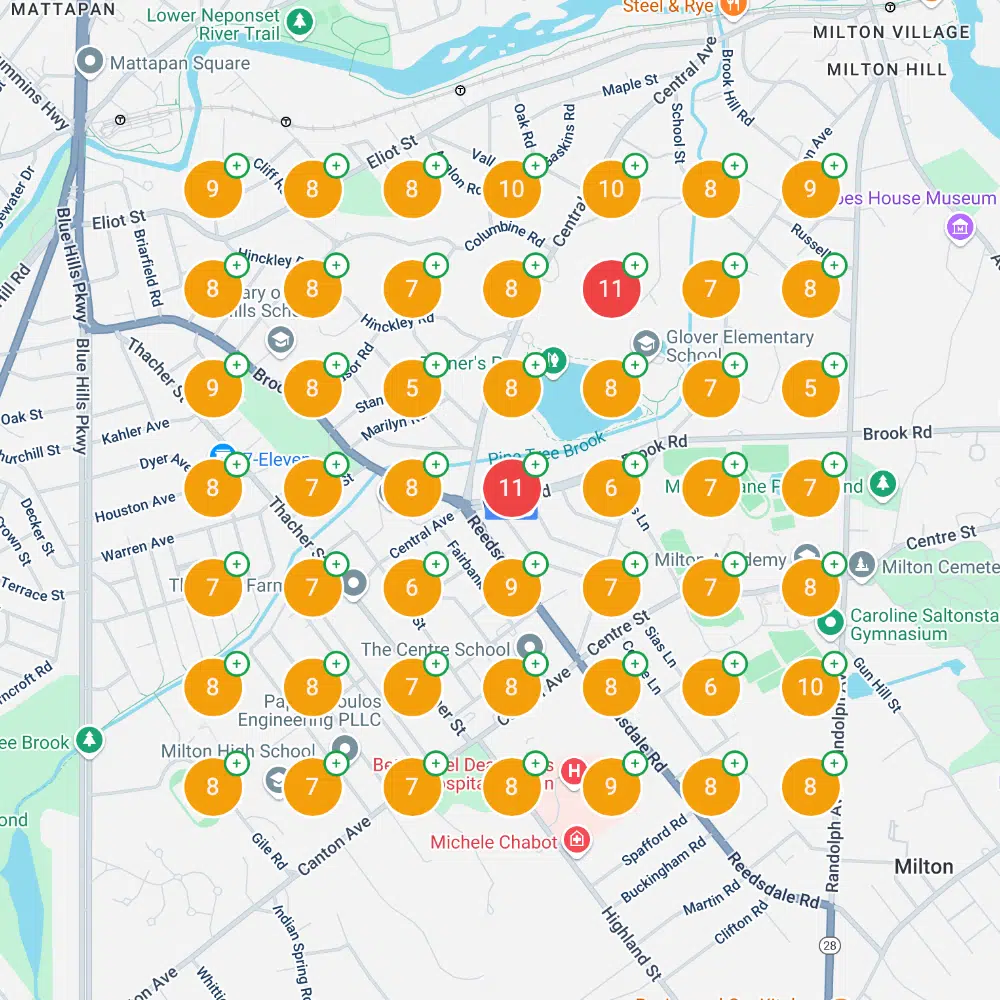
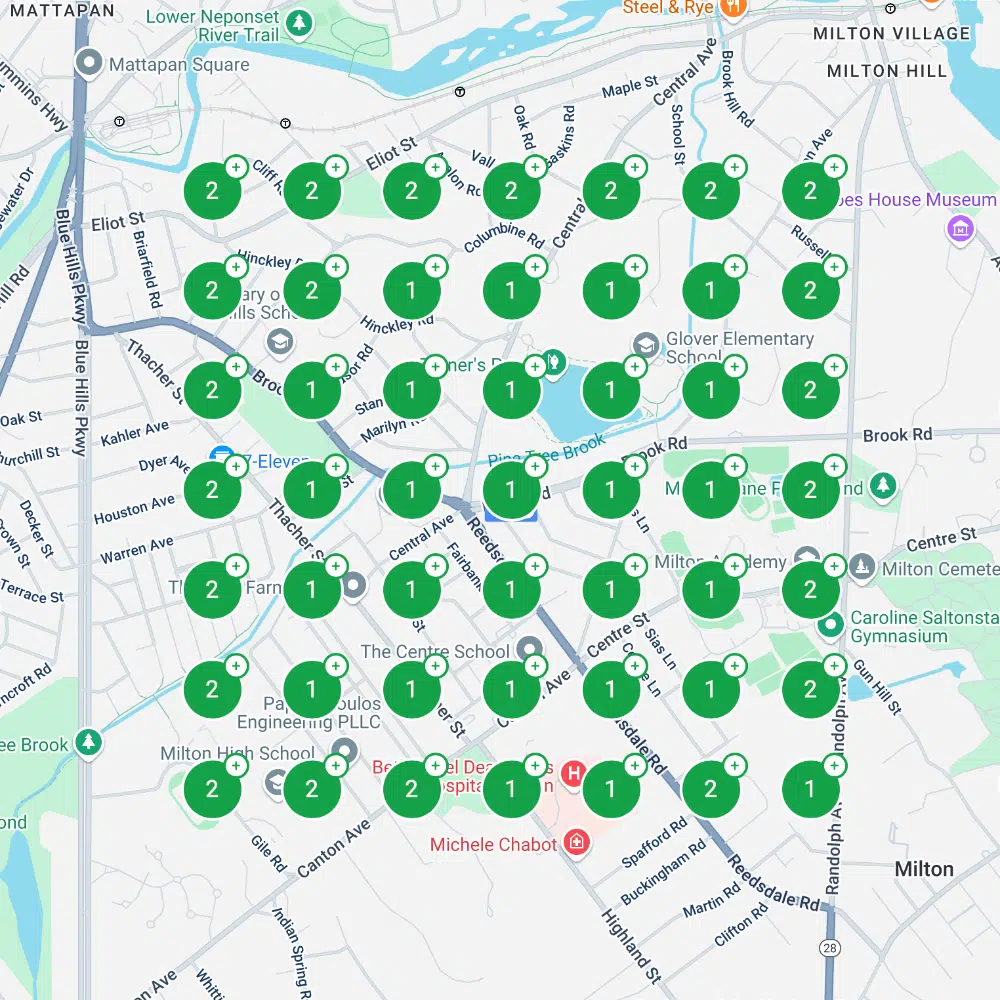
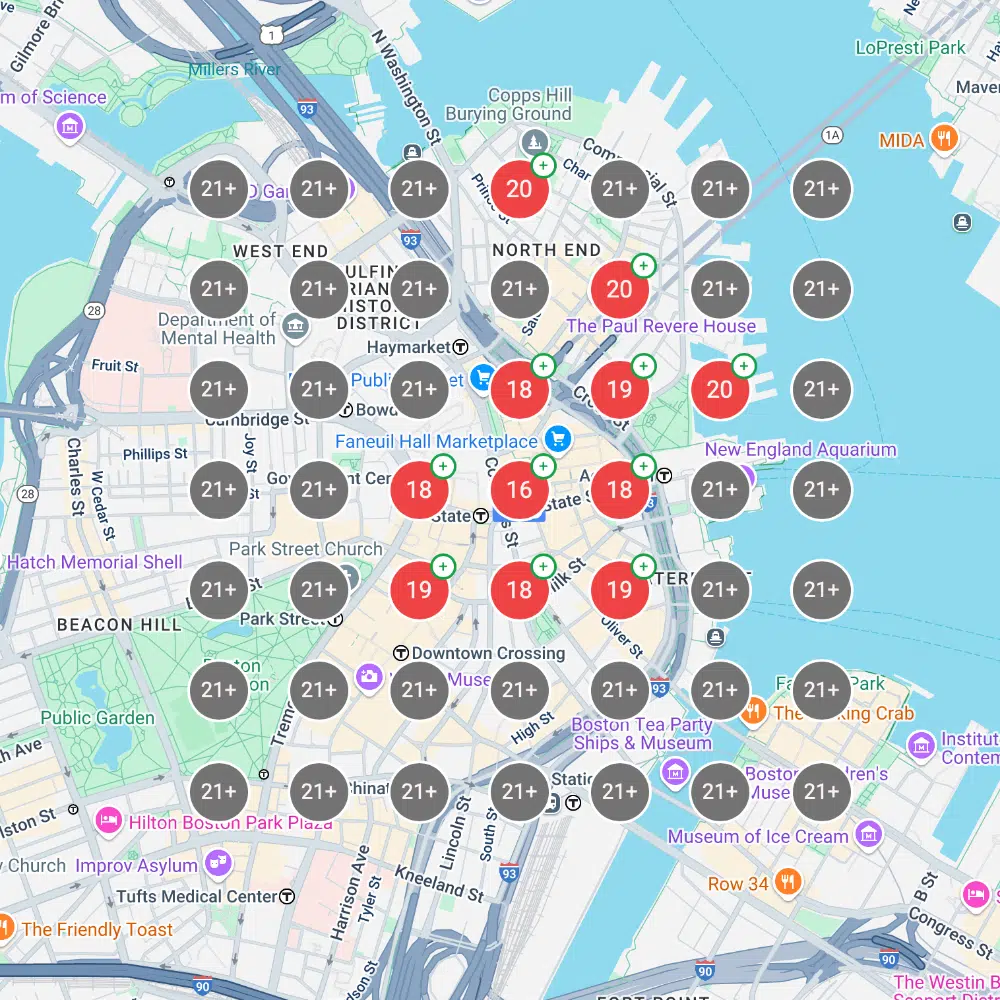
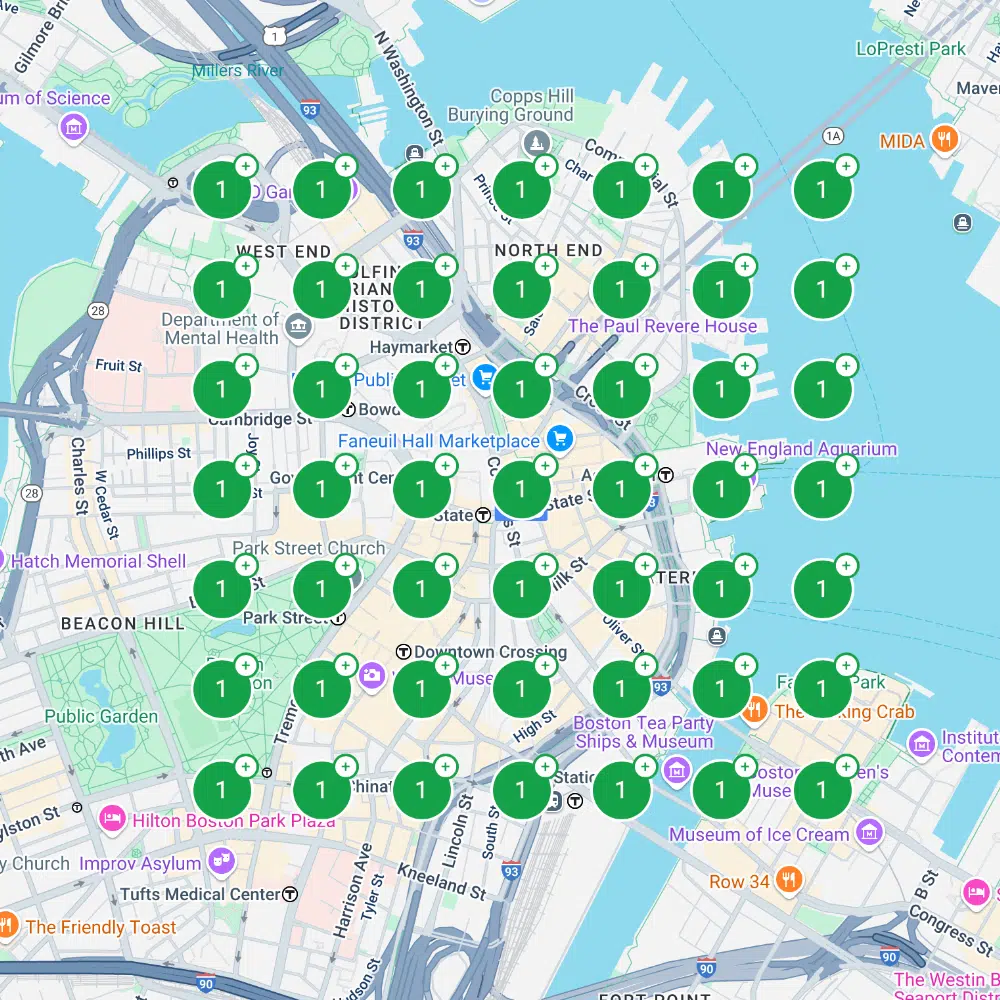
Ranking in Google Maps is essential for Architects and Architecture companies. Fully optimized Google Business Profiles with reviews ranking in the top 3 map results get over 40% of the clicks and calls for those searches. We have a tested and proven strategy to get your brand to the top of Google Maps and local organic search.


A New Jersey-based local dental practice hired us for a website redesign and rebranding. Once they were both finished, we moved into monthly local SEO services. The strategy was not the usual one for a dental practice. They did have one office location and offered standard family dentistry, but they also had a list of unique specialities. This required a more in-depth dental practice SEO strategy. We worked to rank certain key pages for city+general dentistry, but also targeted statewide around cosmetic dentistry, a niche where this practice really excelled and often has people come from all over the state.

A Boston-based specialized therapy practice with national services came to us for our SEO services. The website lost over 70% of its organic traffic due to a website redesign that botched the on-page SEO, as well as the site having been hit by Google's Helpful Content Update. Either one of these issues would be difficult on its own, but the combination required aggressive, thoughtful action. We always love a good challenge. After a thorough SEO audit, we discovered the most substantial issues and developed an SEO strategy to first stop the bleeding, and then to turn things around and start regaining traffic.

This national B2B manufacturing company, based in New Jersey and California, has been a B2B SEO client of ours for 3 years. This brand competes in 5 highly competitive verticals. Each one has 3-5 well-known competitors with bigger brand awareness and much larger marketing budgets. Competing toe-to-toe in one vertical is challenging enough, but 5 made my team's heads explode. After tons of hard work optimizing a massive website and doing off-page work, we started seeing some really meaningful results. In a space that even one new client could bring in millions of dollars per year in revenue, the stakes were high for this one.

E-commerce SEO can be a tricky niche. Compared to local SEO, E-commerce search terms are highly competitive. It's a cutthroat industry. This Pennsylvania-based brand came to us because they were losing traffic and market share. With E-commerce, every visit is a potential sale, so we first did a thorough Conversion Rate Optimization audit and then redesigned the site to implement the audit recommendations while simultaneously performing an extensive on-page SEO treatment.

Keyword research reveals what your customers actually search for, not what you assume they search. Search volume, competition levels, search intent, and commercial value all determine which keywords deserve targeting. Poor keyword research means optimizing for terms nobody searches or terms that don't convert. Strategic keyword research identifies opportunities where rankings translate into revenue.
We use enterprise tools to analyze search volume, keyword difficulty, cost-per-click data indicating commercial value, and SERP features showing how Google displays results. We categorize keywords by search intent: informational, navigational, commercial investigation, and transactional. We prioritize based on your business model. E-commerce sites need transactional keywords. Service businesses need local service keywords. B2B companies need industry-specific terminology with buyer intent.
Long-tail keywords with lower volume but higher conversion rates often deliver better ROI than competitive head terms. We identify keyword clusters around topics, allowing single comprehensive pages to rank for dozens of related searches. We also analyze competitor keywords, revealing gaps where they rank but you don't. Keyword strategy isn't static. Search behavior evolves, new competitors emerge, and seasonal fluctuations require ongoing refinement to maintain and grow rankings.

Content optimization ensures your writing serves both humans and search algorithms. Keyword integration, topical comprehensiveness, readability, structure, and engagement signals all impact rankings. Great content, poorly optimized won't rank. Keyword-stuffed content ranking briefly creates terrible user experiences that eventually harm long-term performance. Strategic content optimization balances both requirements.
We optimize existing content by identifying keyword opportunities, improving structure with proper headings, adding internal links, updating outdated information, and expanding thin content. We write new content targeting keyword gaps where competitors rank, but you're absent. We match content format to search intent: how-to guides for informational queries, comparison pages for commercial investigation, and product pages for transactional searches.
Content optimization also addresses readability with short paragraphs, scannable formatting, bullet points where appropriate, and clear value propositions. We ensure mobile readability with appropriate font sizes and touch-friendly elements. We implement schema markup for articles, FAQs, and how-to content that can generate rich snippets. Well-optimized content ranks higher, generates more clicks, keeps visitors engaged longer, and converts better than content optimized solely for algorithms or solely for humans.

Transparent reporting proves ROI and guides strategic decisions. Keyword rankings, organic traffic, conversion rates, and revenue attribution show whether SEO investments are working. Without proper analytics, you're optimizing blind. With detailed reporting, you see exactly which efforts drive results and where to double down for maximum growth.
Our monthly reports show keyword ranking changes, organic traffic trends, conversion metrics, and competitive positioning. We track not just rankings but the business impact of those rankings: traffic generated, leads captured, revenue attributed. We segment data by device, location, and traffic source to identify optimization opportunities. We provide Google Analytics and Search Console insights showing search queries, click-through rates, and page performance.
We also report on technical health, backlink acquisition, content performance, and Core Web Vitals. Regular strategy calls review data together, discussing what's working, what needs adjustment, and upcoming priorities. You're never left wondering what we're doing or whether it's working. Transparency builds trust and allows collaborative decision-making. SEO isn't set-and-forget. It's an ongoing optimization process guided by data, and reporting keeps everyone aligned on goals and progress toward achieving them.

Effective SEO requires enterprise-grade tools for research, auditing, tracking, and competitive analysis. We use industry-leading platforms, including Ahrefs, SEMrush, Screaming Frog, Google Search Console, Google Analytics, and specialized tools for technical audits and rank tracking. These tools cost thousands annually but provide insights impossible to obtain manually.
Our tool stack covers keyword research, revealing search volume and difficulty, backlink analysis showing your link profile and competitive gaps, technical audits crawling entire sites for issues, rank tracking monitoring daily position changes, and content optimization suggesting improvements. We also use tools for local SEO citation tracking, schema markup validation, Core Web Vitals monitoring, and page speed analysis.
You benefit from our tool subscriptions and expertise, using them without the expense and learning curve of managing tools yourself. We translate raw data into actionable insights, not just overwhelming spreadsheets. The right tools make SEO more efficient, more accurate, and more profitable. They reveal opportunities competitors miss and prevent expensive mistakes that harm rankings.


In 3-5 business days you will receive a detailed report showing the current Google Map ranking positions for your dispensaries Google Business Profile, a breakdown of your competitors, and what needs to be done to rank higher.
Most SEO's act as if what they do is a mystery. We believe in transparency and in implementing proven strategies. These are the top tactics we implement to increase your architecture business's revenue.
If you own an architecture business with multiple locations, or a business that services a larger region (nationally or regionally), then we will create a custom proposal for you. Click here to get in touch.
This is the core challenge in architecture SEO and one that most agencies handle poorly. Search engines cannot see your renderings and photographs the way a human can. Our approach bridges that gap by adding detailed project narratives, alt text, location data, and structured markup to every portfolio piece. We turn your case studies into content that ranks for terms like "modern farmhouse architect [city]" while preserving the visual experience that makes your work compelling. The result is a portfolio that impresses both Google and the clients who find it.
Initial ranking improvements typically appear within 2 to 4 months, with meaningful lead flow building over 6 to 12 months. This reflects the nature of your industry. Your clients research for months before contacting a firm, so content published today influences inquiries received six months from now. The compounding effect is powerful. Firms that invest consistently build a durable advantage that referral-dependent competitors simply cannot replicate.
This is one of the strongest applications of SEO for architecture firms. If you want more healthcare projects, we build content targeting "healthcare architect [region]" and "hospital design firm." If you want high-end residential, we target "custom home architect [city]." Each specialization creates a distinct keyword cluster that attracts exactly the type of client and project you want more of. Rather than waiting for whatever referral comes through the door, SEO lets you proactively shape your project pipeline.
Small and mid-size firms often outperform larger practices in SEO because they can create more authentic, specific, and locally relevant content. A large firm with offices in 15 cities often has generic location pages with identical copy. A boutique firm with deep roots in one community can create content that genuinely reflects local knowledge, zoning nuances, and neighborhood character. Google rewards that authenticity.
Our architecture SEO programs typically range from $1,500 to $3,000 per month. Given that a single residential project can generate $20,000 to $100,000 or more in fees, and commercial projects significantly more, the ROI math is compelling. One new client acquired through organic search can cover an entire year of SEO investment.
Both serve different purposes. Service pages capture clients actively searching for an architect. Blog content captures clients earlier in their journey, when they are researching building styles, zoning questions, renovation processes, or design trends. That earlier touchpoint builds familiarity so when they are ready to hire, your firm is already top of mind. The combination creates a search presence that service pages alone cannot achieve.
SEO does not replace referrals. It supplements them with a channel you control. Referrals are unpredictable and sometimes dry up entirely. SEO creates a steady baseline of qualified inquiries that fills the gaps between referral projects. Many architecture clients find that SEO leads convert at comparable rates because the client has already researched the firm extensively before making contact.
The highest-performing content includes detailed project case studies with the client challenge, design solution, and outcome. Location-specific service pages targeting "architect in [city]" searches. Educational content about the design process, zoning, permitting, and construction phases. And material or style comparison content that positions your firm as the expert guide. Each serves a different stage of the client journey and captures distinct search traffic.
Click the button to schedule your free discovery call. This call is typically about 20-30 minutes long. This is not a sales call. This is a call to learn about your business goals and challenges to see if we are a good fit.